





The Da Nang Cham Sculpture Museum is a unique cultural destination, housing one of the largest and most valuable collections of Cham sculptures in Vietnam. With hundreds of statues, reliefs, and precious artifacts, the museum vividly recreates the brilliant legacy of the Cham civilization, offering visitors a journey of discovery through history, art, and unique cultural identity right in the heart of Da Nang. Let's explore the details with FVG Travel in the article below.
Introduction to the Da Nang Cham Sculpture Museum
Where is the Da Nang Cham Sculpture Museum located?
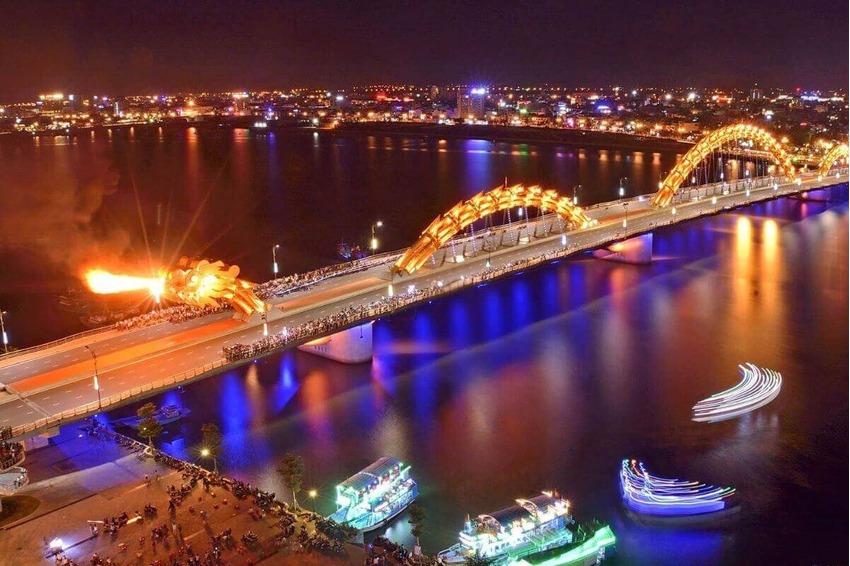
The Da Nang Cham Sculpture Museum is located at 2 2nd September Street, Hai Chau Ward, right in the city center. From the Da Nang Dragon Bridge, visitors only need to travel about 500m along 2nd September Street to reach it, taking less than 5 minutes by motorbike or taxi, making it very convenient for visiting.
Surrounded by lush greenery and offering a refreshing atmosphere, the museum is conveniently located near many of Da Nang's famous tourist attractions, such as the Han River, APEC Park, and Dragon Bridge. Thanks to this prime location, the Da Nang Cham Sculpture Museum is an ideal stop on any trip to explore Da Nang's tourist destinations, allowing visitors to easily combine sightseeing, cultural experiences, and city views.
History of the Da Nang Cham Museum
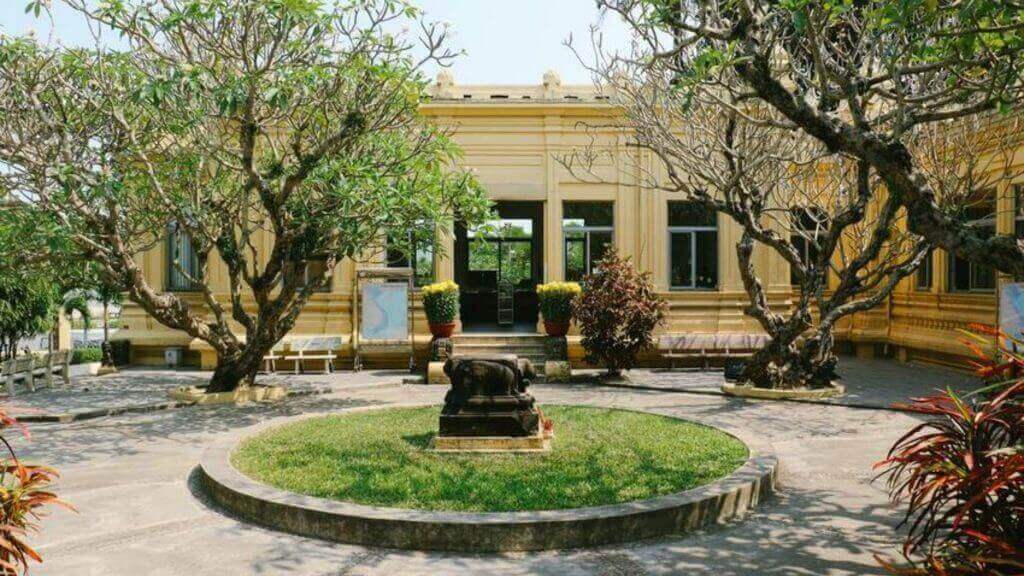
The Da Nang Cham Sculpture Museum was started by the French in 1915 and officially opened to visitors in 1919. The building impresses with its unique architecture, harmoniously blending ancient Cham style with Western Gothic architecture, becoming a place to preserve invaluable Cham Pa cultural values.
Currently, the museum possesses the largest collection of Cham Pa artifacts in Vietnam, with a total area of approximately 6,673 m2. Of this, more than 2,000 m2 is dedicated to displaying sculptures, reliefs, and ancient artifacts, while the remainder houses valuable documents, images, and research materials on the history and art of Cham Pa.
Since its opening, the Da Nang Cham Sculpture Museum has become a cultural destination attracting a large number of domestic and international tourists. Every year, tens of thousands of visitors flock to this place to discover the remnants of the prosperous Champa kingdom and to appreciate the unique sculptural art that has been passed down through centuries.
Ticket Prices and Opening Hours of the Da Nang Cham Sculpture Museum
The Da Nang Cham Sculpture Museum is open daily from 7:00 AM to 5:00 PM. Especially on major holidays such as Da Nang Liberation Day, Hung Kings' Commemoration Day, or National Day (September 2nd), admission is free.
On weekdays, the entrance fee is 60,000 VND per adult and 10,000 VND per student. Groups requiring English or French-speaking guides must register at least 3 days in advance.
To ensure smooth reception, the museum will stop accepting group registrations at the counter before 10:00 AM and before 4:00 PM each day. Additionally, the museum may occasionally host thematic exhibitions or cultural events, causing slight changes to opening hours. Therefore, tourists should proactively update themselves with the latest information before scheduling their visit.
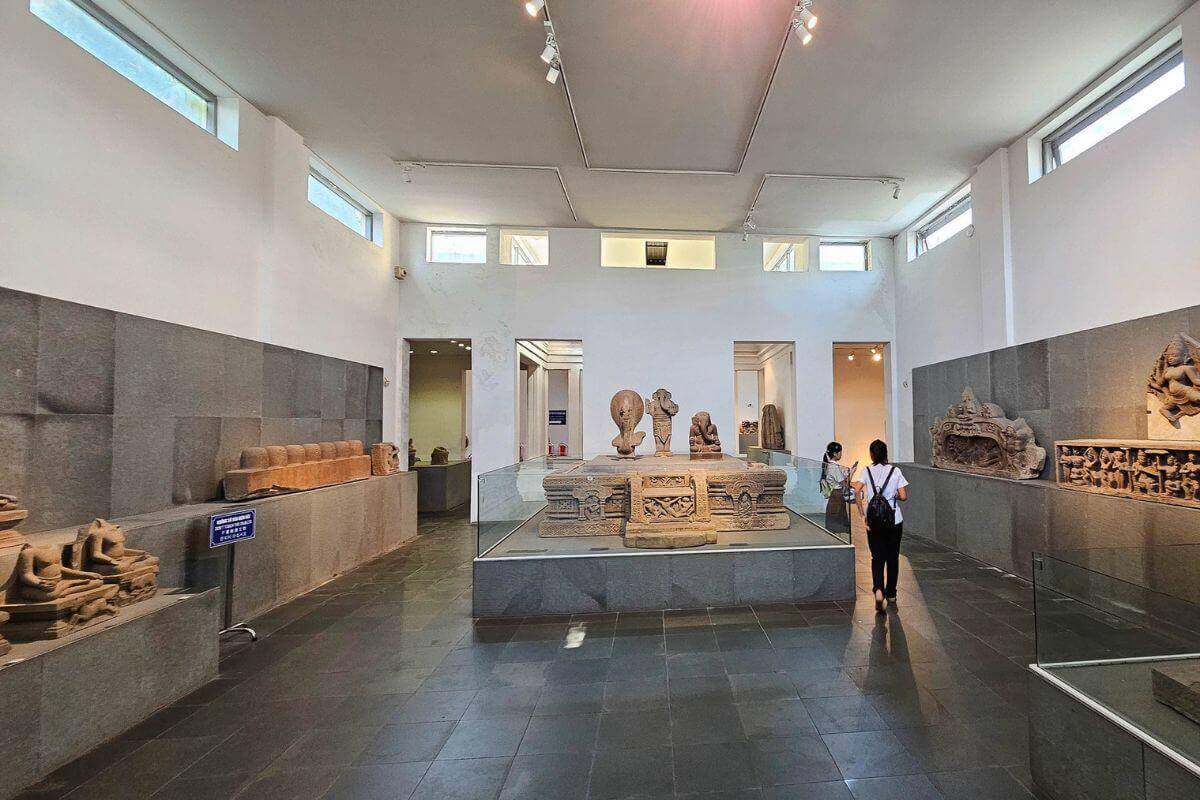
Introduction to the Da Nang Cham Sculpture Museum
The Da Nang Cham Sculpture Museum began construction in 1915, but the process of conceptualizing and collecting artifacts had started many years earlier. From the late 19th century, French archaeologists, especially scholars from the French School of Far Eastern Studies (EFEO), collected and studied Cham sculptures in Central Vietnam.
These artifacts were initially gathered in the former Tourane Park area. It was from here that the idea of building a specialized museum to preserve, protect, and showcase the legacy of the Cham civilization gradually took shape and became a reality.
Key milestones in the museum's development:
- 1915: Construction officially began on the Cham Sculpture Museum.
- 1916: The basic architectural structure was completed.
- 1919: The museum opened its doors to visitors for the first time.
- 1930: The first expansion was undertaken due to the increasing number of artifacts, and the exhibition space was rearranged according to geographical regions. This layout has been maintained to this day.
- 2002: A second expansion was carried out, adding exhibition areas, storage facilities, a restoration workshop, and specialized research rooms.
- 2011: The Da Nang Cham Sculpture Museum was recognized as a national-level Class 1 museum, acknowledging its important role in the preservation of Cham heritage.
- 2016: The city of Da Nang undertook a comprehensive restoration and upgrade, while maintaining the original architectural spirit to preserve the long-standing historical value of the building.

Discover Unforgettable Experiences at the Da Nang Sculpture Museum
The Unique Architecture of the Cham Sculpture Museum
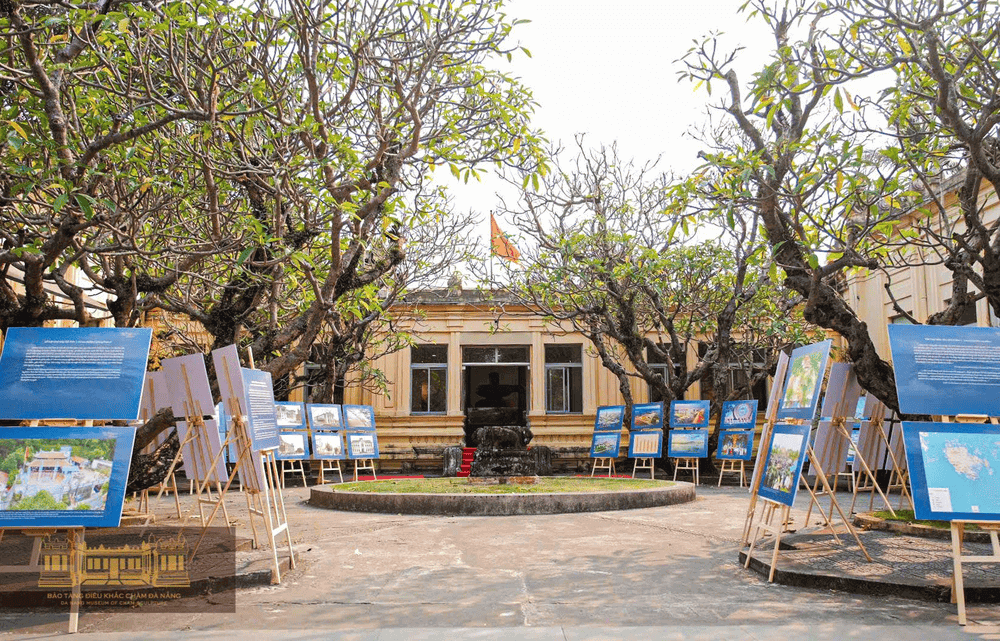
The museum was designed by two French architects, Delaval and Auclair, based on the vision of Henri Parmentier, Head of the Archaeology Department at the French School of Far Eastern Studies (EFEO). The building is a harmonious blend of the architectural lines of ancient Cham temples and the distinctive European Gothic style.
The central building impresses with its soaring, curved domes and elegant pointed roofs, creating a striking appearance in the heart of the city. The interior exhibition space is designed with an open layout and many large windows. While strolling through the grounds, visitors can easily feel the solemn, ancient atmosphere with moss-covered yellow walls, blending with the pristine white of the frangipani trees, creating a feeling of both solemnity and tranquility.
Admire the Collection of Ancient Artifacts and Statues
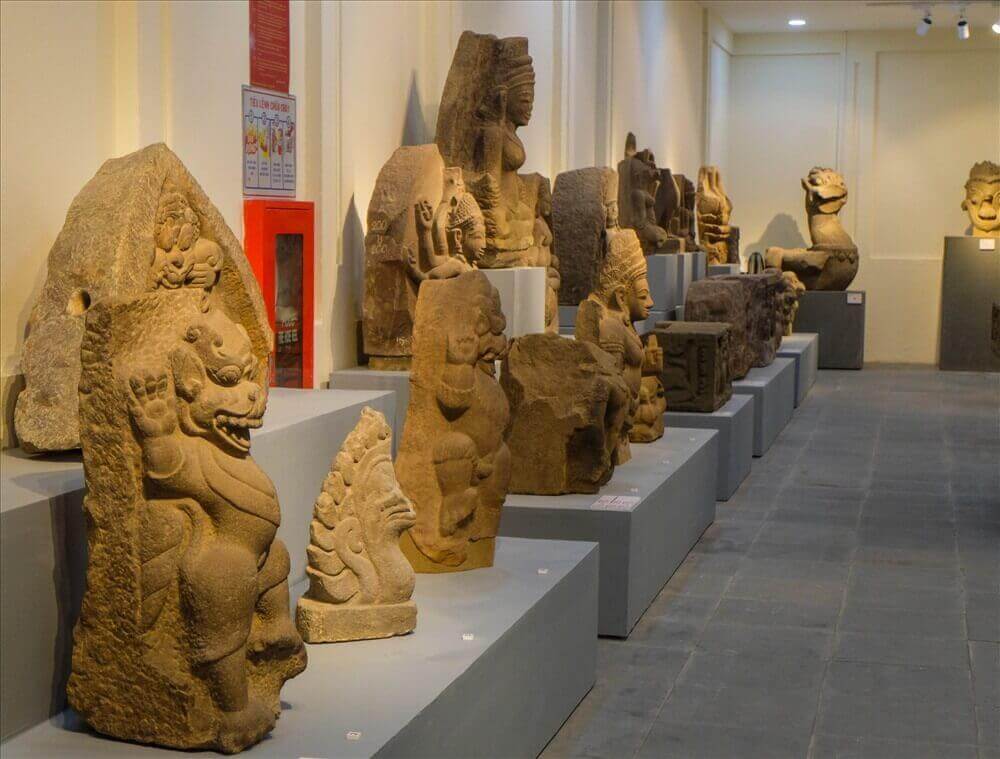
The Da Nang Cham Sculpture Museum currently houses nearly 2,000 original Cham artifacts, dating from the 5th to the 15th centuries. The exhibited works are diverse, including statues of deities, altars, sandstone reliefs, and many artifacts reflecting daily life. Each artifact authentically recreates the cultural life, beliefs, and historical imprints of the Cham community through different periods and regions.
Thanks to the richness of themes and materials, the collection helps visitors better understand the spiritual world, the mythological system, and the sophisticated sculpting techniques, showcasing the high level of craftsmanship of the ancient Cham civilization.
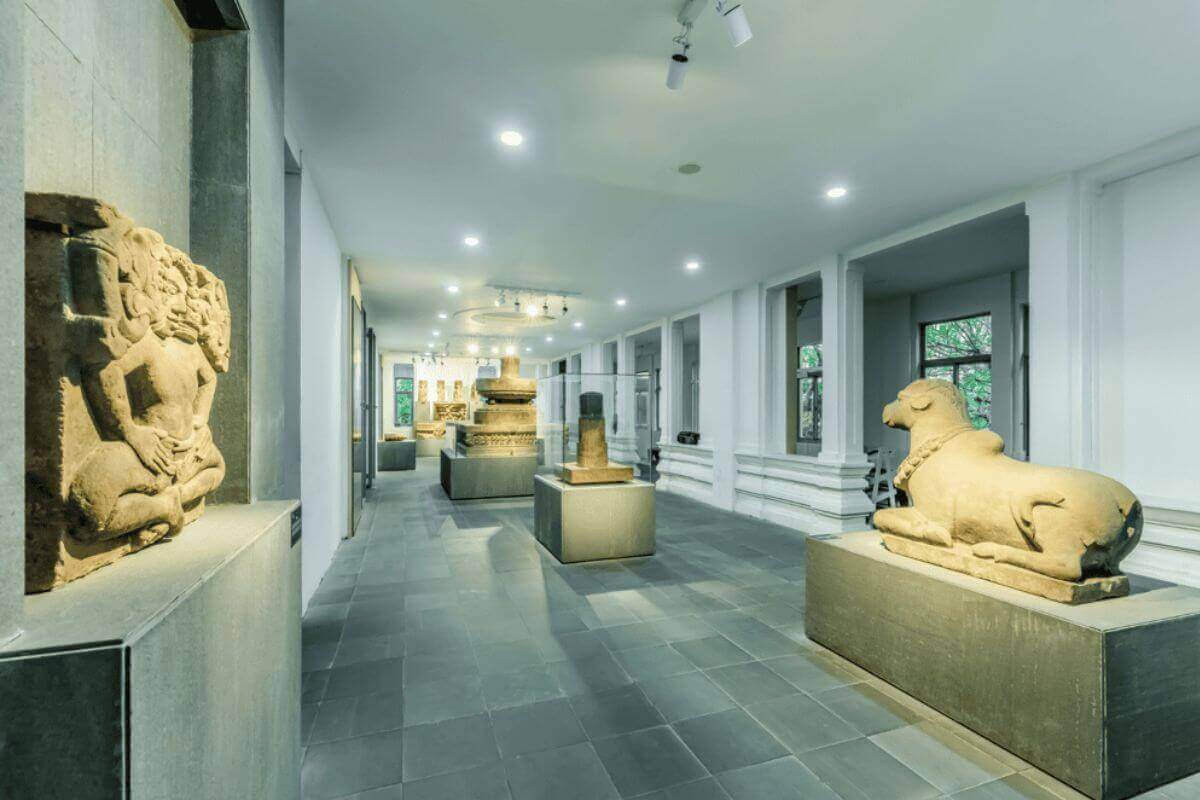
Precious National Treasures
The Da Nang Cham Sculpture Museum currently preserves nine representative national treasures, considered the artistic essence and spiritual values of Cham Pa culture. Among them are the My Son E1 altar, the Tra Kieu altar, the Tara Bodhisattva statue, the Dong Duong altar, the Shiva statue, and more. Each treasure not only possesses unique aesthetic value but also holds immense significance for historical and religious research and the development of cultural tourism.
Through their exquisite carvings and meaningful symbols, these treasures vividly recreate the world of beliefs, rituals, and the spiritual life of the ancient Cham people, leaving a profound impression on anyone who visits and learns about them.
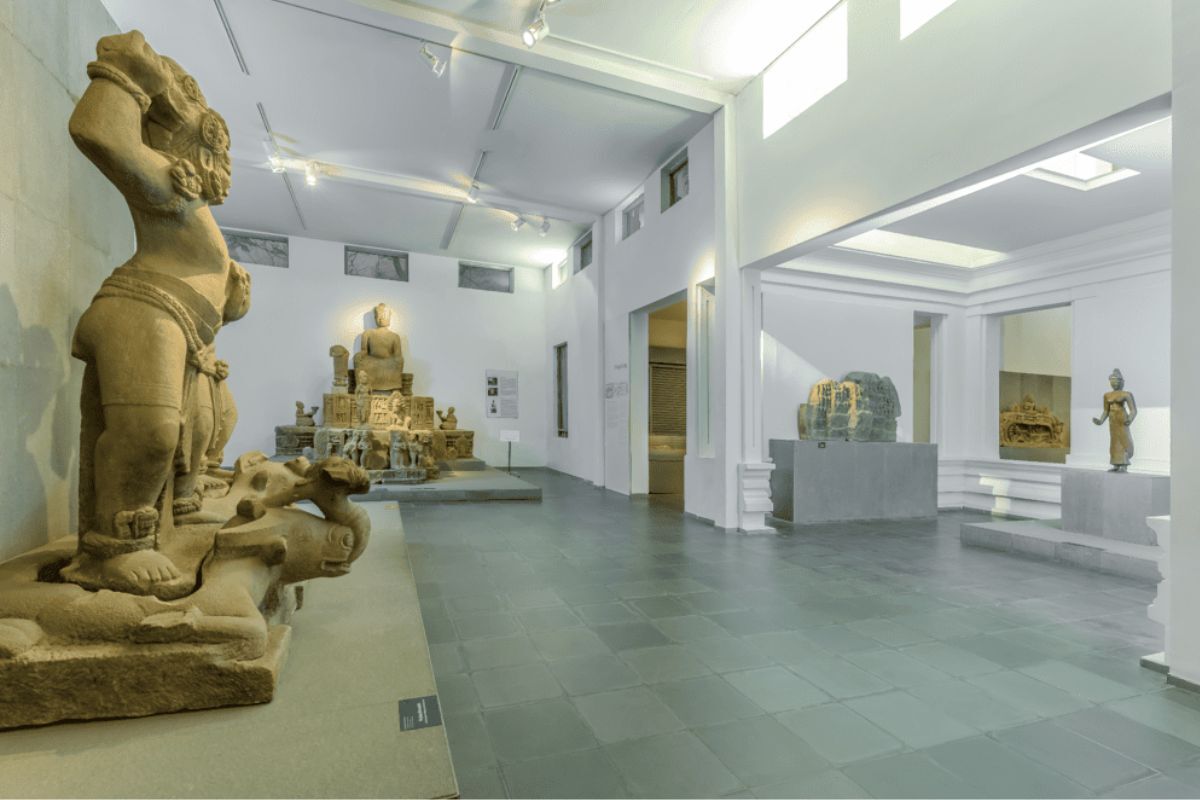
Multidimensional Thematic Exhibition Spaces
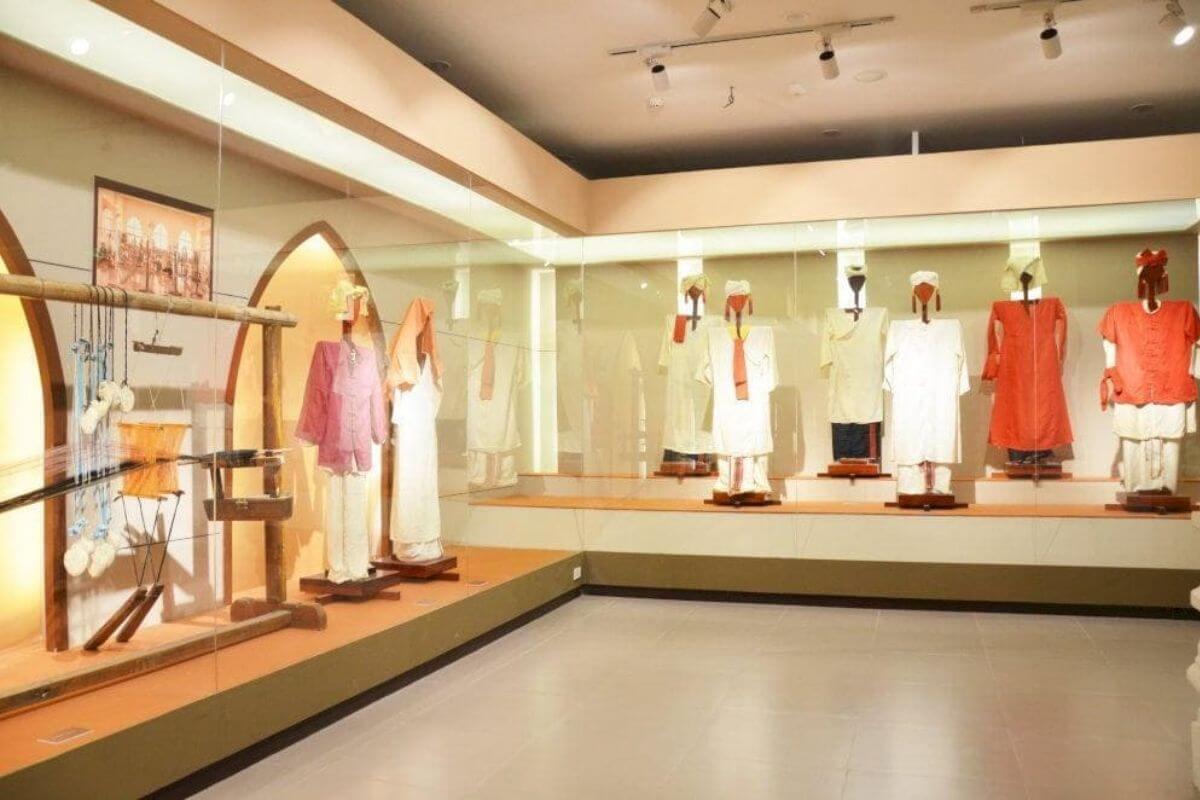
In parallel with exhibition rooms organized by geographical region, the Da Nang Cham Sculpture Museum has also developed many thematic exhibition areas, which were added and expanded in 2002 and 2016. These spaces focus on unique themes such as Sa Huynh pottery, Cham cultural life in Ninh Thuan, and important archaeological excavation results.
Through a system of artifacts, images, and documents, the thematic exhibitions help visitors gain a deeper understanding of Cham culture from many different perspectives, from beliefs, costumes, traditional musical instruments to community life and the Cham imprint in contemporary life. Thus, the tour journey is seamlessly expanded from the historical past to the vibrant present.
Some Notes When Visiting the Cham Sculpture Museum
To ensure a smooth and fulfilling experience exploring the Cham Sculpture Museum in Da Nang, visitors should keep the following important notes in mind:
- When entering, you must present your ticket as required by the museum.
- Absolutely do not touch the artifacts, climb on, or sit on the display stands to protect the heritage value.
- Limit bringing bulky luggage. For carry-on luggage weighing over 3kg, visitors can leave it at the luggage storage counter.
- Maintain general cleanliness and do not litter within the museum grounds.
- Do not bring flammable materials, explosives, or dangerous items inside.
- Dress neatly and respectfully, appropriate to the cultural and historical space.
Not only is it a place to preserve precious artifacts of Cham Pa culture, the Cham Sculpture Museum is also a unique architectural and artistic work, preserved for many generations. Visiting this place, tourists feel as if they are traveling back in time, clearly experiencing the flourishing period and peak creativity of an ancient civilization.
Besides exploring familiar destinations when traveling to Da Nang such as My Khe Beach, Son Tra Peninsula, Linh Ung Pagoda, Marble Mountains, or Ba Na Hills, tourists should not miss the Dong Giang Heaven's Gate tourist area, a location that has become very popular recently. This place impresses with its majestic mountain and forest landscape, magical cave system, unique Co Tu culture, and a series of outstanding check-in structures such as the Jade Dragon Glass Bridge, Rainbow Bridge, and Thien Mon Tower.
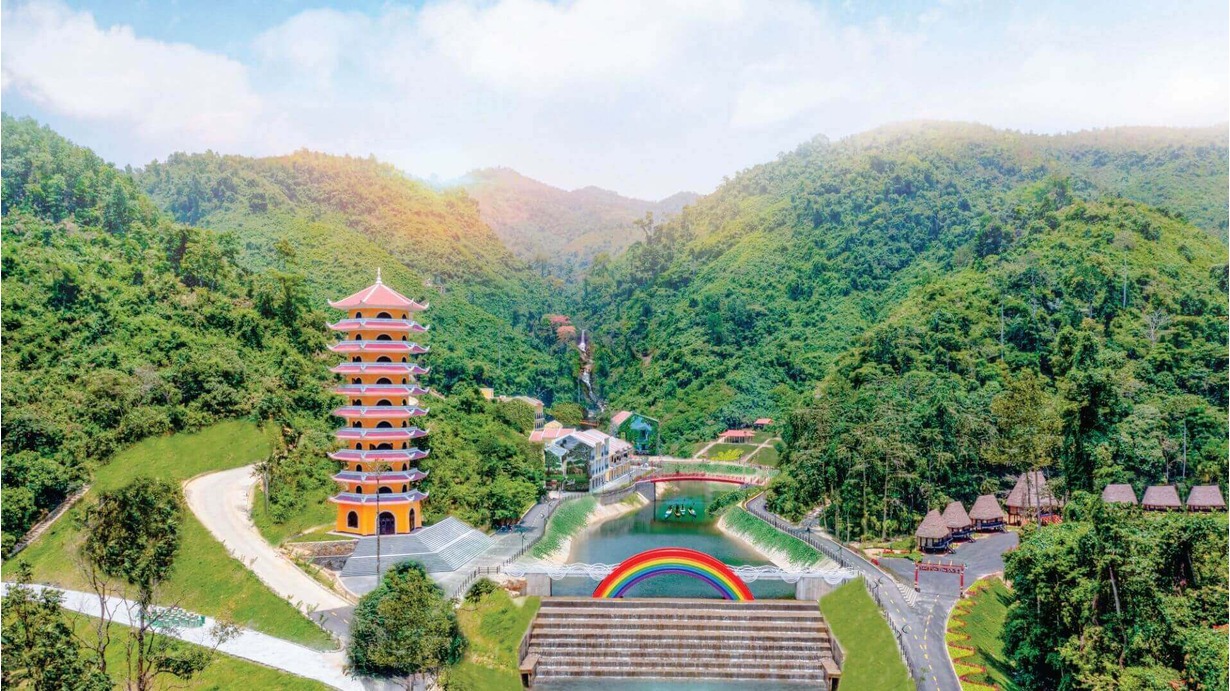
Highlights of experiences at Dong Giang Sky Gate:
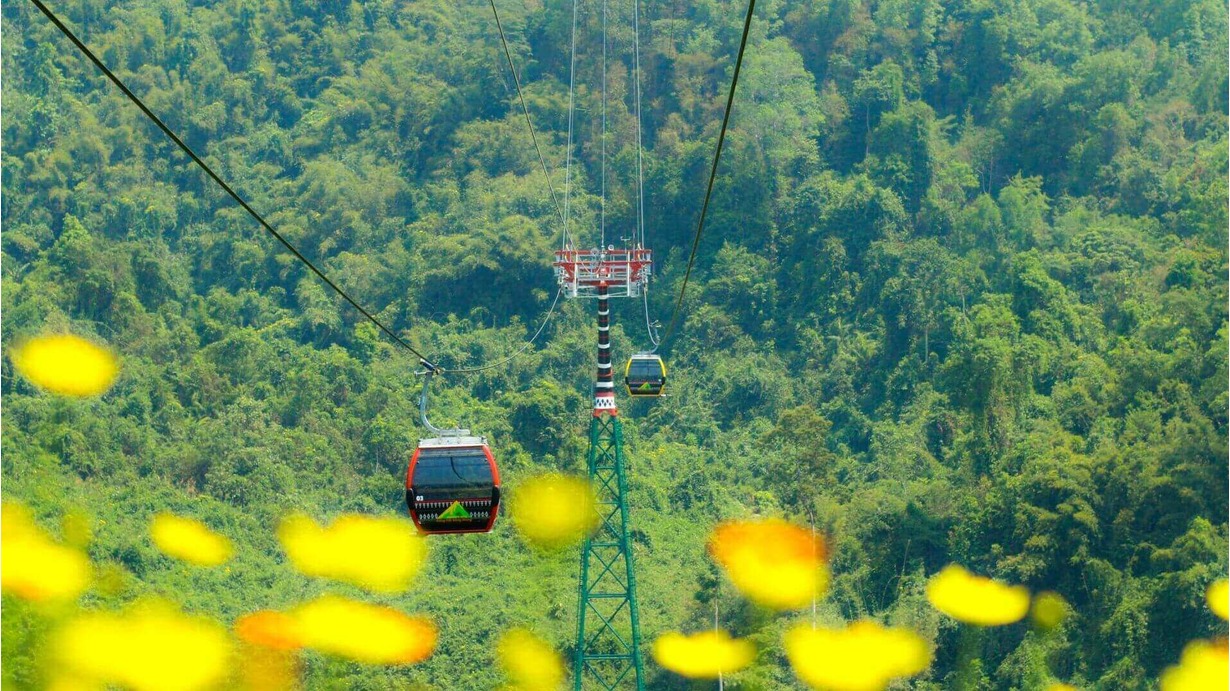
- Cloud hunting by cable car: Enjoy the breathtaking sea of clouds from the 1.6km cable car, especially ideal in the early morning from February to September.
- Dragon Jade Glass Bridge: Stroll on the transparent glass bridge shaped like a winding dragon amidst the vast forest, a popular check-in spot for many tourists.
- Exploring caves: Visit the mystical stalactite caves such as Bat Cave, Swallow Cave, and Wind Cave with their captivating pristine beauty.
- Learning about Co Tu culture: Interact with the local people, discover traditional customs, weave brocade, and enjoy gong and drum dances at the cultural village.
- River activities: Enjoy free SUP paddling at Tien Waterfall and relax in the cool, refreshing stream water.
- Highland cuisine: Savor the rich flavors of local specialties such as sticky rice cooked in bamboo tubes, chicken grilled in bamboo tubes, and traditional rice wine.
The Da Nang Cham Sculpture Museum is not simply a place for preserving heritage, but also a gateway that transports visitors back to the glorious era of the ancient Cham civilization. With its collection of rare artifacts, harmonious blend of Eastern and Western architecture, and well-designed thematic exhibition spaces, the museum offers a profound experience of exploring culture, art, and beliefs. Visiting here, you will clearly feel the enduring historical value, enriching your exploration of Da Nang in a meaningful and unique way.




 Loading ...