







After more than two years of temporarily closing to visitors for restoration, Hai Van Gate in Da Nang has officially reopened with a grand and majestic new appearance. If you are planning to explore this iconic historical site, let FVG Travel guide you through the essential information below.
Introduction to Hai Van Gate, Da Nang
1. What is Hai Van Gate? Where is it located?
- Exact location: Situated at the summit of Hai Van Pass, spanning the administrative boundaries of Lang Co Town (Phu Loc District, Hue) and Lien Chieu District, Da Nang City.
Hai Van Gate is an ancient military defensive structure located on the peak of Hai Van Pass, marking the border between Hue and Da Nang. The site lies approximately 90 km south of Hue city center and about 28 km north of Da Nang city center. Built in 1826 during the Nguyen Dynasty on the foundations of an earlier structure from the Tran Dynasty, Hai Van Gate played a vital strategic role in protecting the North–South transportation route and defending the Central region of Vietnam.
Between 1945 and 1975, the site was further reinforced with various military facilities such as guard towers, bunkers, and an artillery system to enhance its defensive and surveillance capabilities. Thanks to its exceptional location and long-standing historical value, Hai Van Gate is not only a geographical link between Hue and Da Nang but also a site of unique architectural significance. It has been recognized as a national historical and artistic relic and is famously known as “The First Magnificent Pass Under Heaven,” attracting large numbers of visitors for sightseeing and check-in.
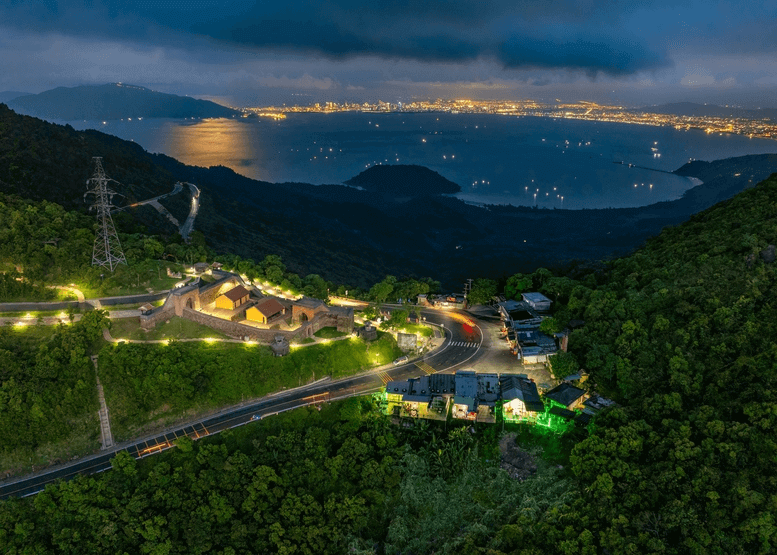
2. The Historical Significance of Hải Vân Gate
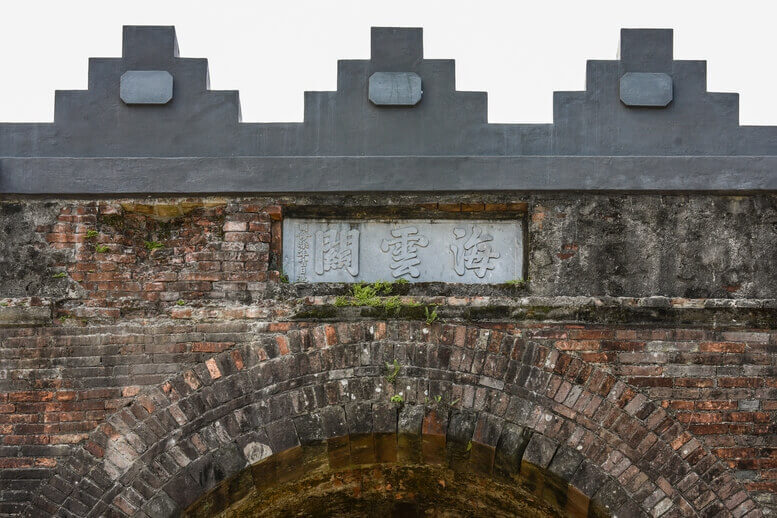
From the early 19th century, when Phú Xuân became the imperial capital, Hải Vân Pass held a particularly strategic position and was regarded as the main gateway protecting the Imperial City of Huế. To strengthen the defensive system, in February 1826, Emperor Minh Mạng ordered the construction of Hải Vân Gate on the summit of the pass. The front of the structure bears the inscription “Hải Vân Quan”, while the rear is engraved with “Thiên Hạ Đệ Nhất Hùng Quan” (The Most Magnificent Pass Under Heaven). Solid stone walls were built on both sides to form a fortified rampart.
The construction was completed within a few months with the participation of Thừa Thiên Prefecture and Quảng Nam Province, while the guarding and administration were directly managed by the royal court. Subsequently, the Nguyễn Dynasty encouraged local residents to settle around the pass and established a mountain deity temple to safeguard this strategically important area.
From the late 19th century, the military role of Hải Vân Gate gradually declined. The guarding forces were significantly reduced, and by 1918 the site was abandoned. During the period from 1946 to 1975, it was once again converted into a military stronghold, with additional structures such as bunkers, defensive walls, and fortifications, which substantially altered the original architectural layout.
Despite numerous historical upheavals, Hải Vân Gate remains an important military landmark with distinctive architectural value, contributing to its reputation as the “Thiên Hạ Đệ Nhất Hùng Quan” amid the majestic Hải Vân Pass.
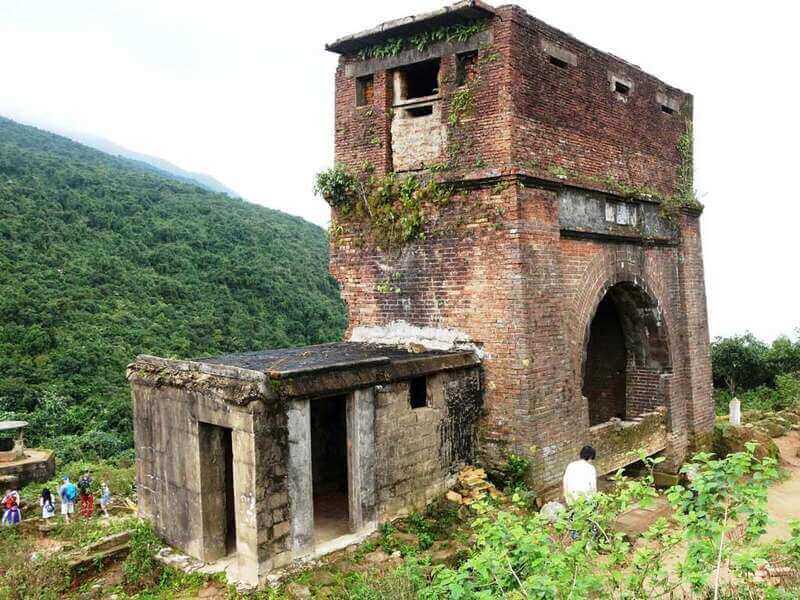
3. Is there an entrance fee to Hải Vân Quan in Da Nang?
At present, Hải Vân Quan offers free admission to all visitors until further notice. Previously, the authorities proposed an entrance fee of around VND 70,000 per person, along with preferential policies for local residents, students, senior citizens, low-income households, people with disabilities, and other eligible groups. However, this fee scheme has not been officially implemented. Therefore, visitors can still explore Hải Vân Quan in Da Nang freely without any admission charge.

Review: What is there to see at Hai Van Pass Gate in Da Nang?
1. Admiring the Nguyen Dynasty’s military architectural legacy
When visiting the historic Hai Van Pass Gate, travelers can admire the distinctive military architecture of the Nguyen Dynasty. The gate complex features a characteristic arched design, reminiscent of the construction style of the Hue Imperial Citadel. Above it is a terrace that once served as a vantage point for observing and controlling the surrounding terrain.
The most striking feature is the massive stone gate system. The gate facing Thua Thien bears the three characters “Hải Vân Quan” carved into a large stone plaque, while the gate facing Quang Nam displays the inscription “Thiên hạ đệ nhất hùng quan” (The Most Majestic Pass Under Heaven). These inscriptions highlight the site’s strategic position and its exceptional importance in history.
Due to the impacts of time and war, Hai Van Pass Gate no longer retains its original structure in full. What remains today are mainly the main gates and watchtowers. Nevertheless, these remnants are still enough for visitors to clearly sense the imposing, ancient beauty and the historical value of one of Central Vietnam’s most renowned military relics.
2. Take in the majestic natural scenery from the summit of Hai Van Gate
Located at an elevation of nearly 500 meters above sea level, Hai Van Gate offers a sweeping, open view that embraces the entire city of Da Nang and the deep blue sea stretching into the distance. From this vantage point, visitors can admire the gently winding mountain pass, where sky, clouds, and ocean blend together to create a natural panorama that is both grand and poetic, leaving a lasting impression.
Influenced by the South Asian monsoon, the Hai Van Pass area enjoys a cool climate with clearly defined rainy and dry seasons, carrying a pleasant subtropical highland character. Throughout the journey, the fresh mountain breeze brings a sense of relaxation and refreshment. This is truly an ideal stop for those seeking a one-day adventure in Da Nang and a chance to immerse themselves in the vast beauty of nature.
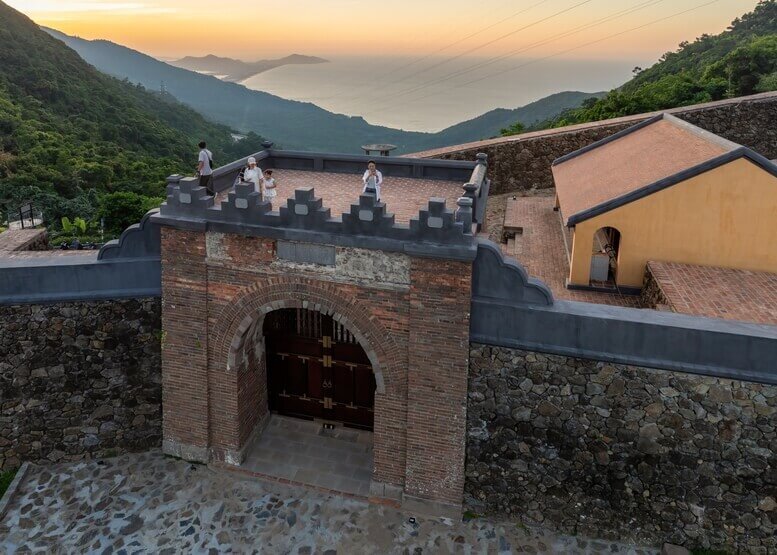
3. Cloud Hunting Experience at Hai Van Gate, Da Nang
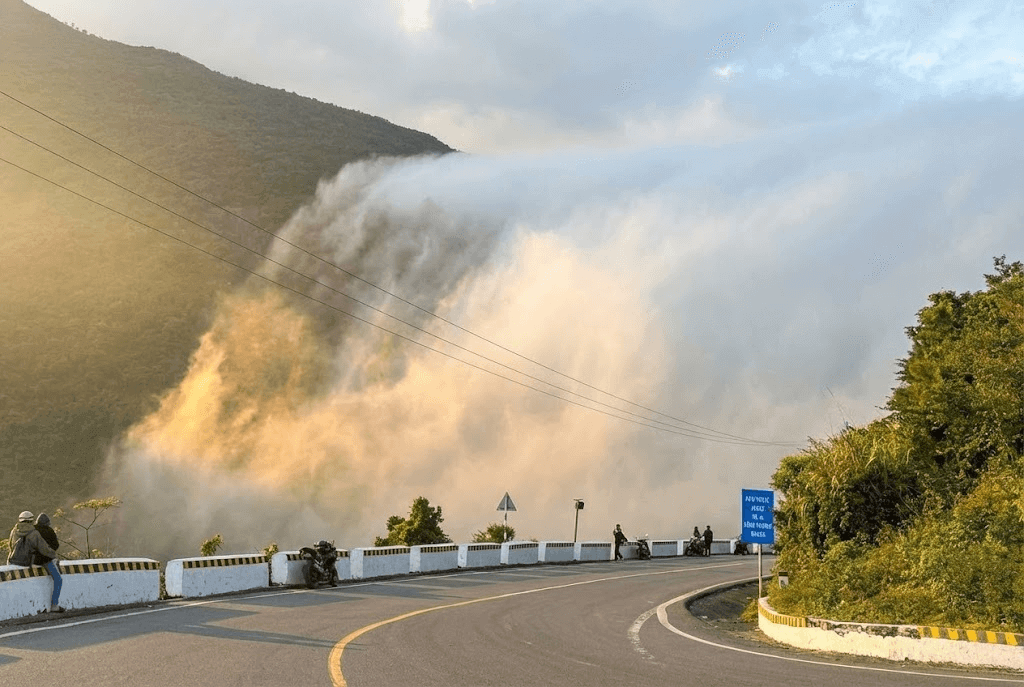
After being restored, Hai Van Gate in Da Nang not only retains its historical significance but has also become an ideal cloud hunting spot loved by many travelers. Amid the ancient ambiance of Thien Ha De Nhat Hung Quan, visitors can admire layers of soft, floating white clouds drifting over the mountains, creating a scene that is both majestic and poetic.
Standing at the crossroads of two regions, breathing in the fresh air of Hai Van Pass and gazing out over the vast sky and sea, travelers seem to slow down and fully immerse themselves in nature and history. This is also one of Da Nang’s most popular check in locations, offering unforgettable moments when exploring Hai Van Gate.
Essential Tips for Visiting Hai Van Pass Gate in Da Nang
Hai Van Pass Gate is located along a rugged and winding mountain pass, so visitors should prepare carefully and keep in mind several important tips to ensure a safe and smooth journey:
- Stay in the correct lane at all times, avoid encroaching on other lanes or riding side by side to ensure safety.
- Maintain a slow speed, especially on sharp curves and in foggy sections of the road.
- Bring a raincoat or a light jacket, as the weather at the top of the pass is often cool and can change quickly.
- Avoid traveling after 6:00 PM due to poor visibility, dark mountain roads, and increased potential risks.
- Thoroughly check your vehicle before heading up the pass, paying special attention to the brakes, tires, and lights.
In addition to exploring Hai Van Pass Gate, visitors can combine their trip with other Da Nang attractions to make the journey even more fulfilling. One standout destination is the Dong Giang Heaven’s Gate Ecotourism Area, often described as a masterpiece amid the vast Truong Son range. This destination brings together majestic natural scenery, distinctive local culture, and some of the most unique experiential activities in Central Vietnam.

Unmissable experiences at Dong Giang Heaven’s Gate:
- Cloud hunting by cable car, taking in the floating sea of clouds blanketing the mountains and forests, at its most beautiful in the early morning.
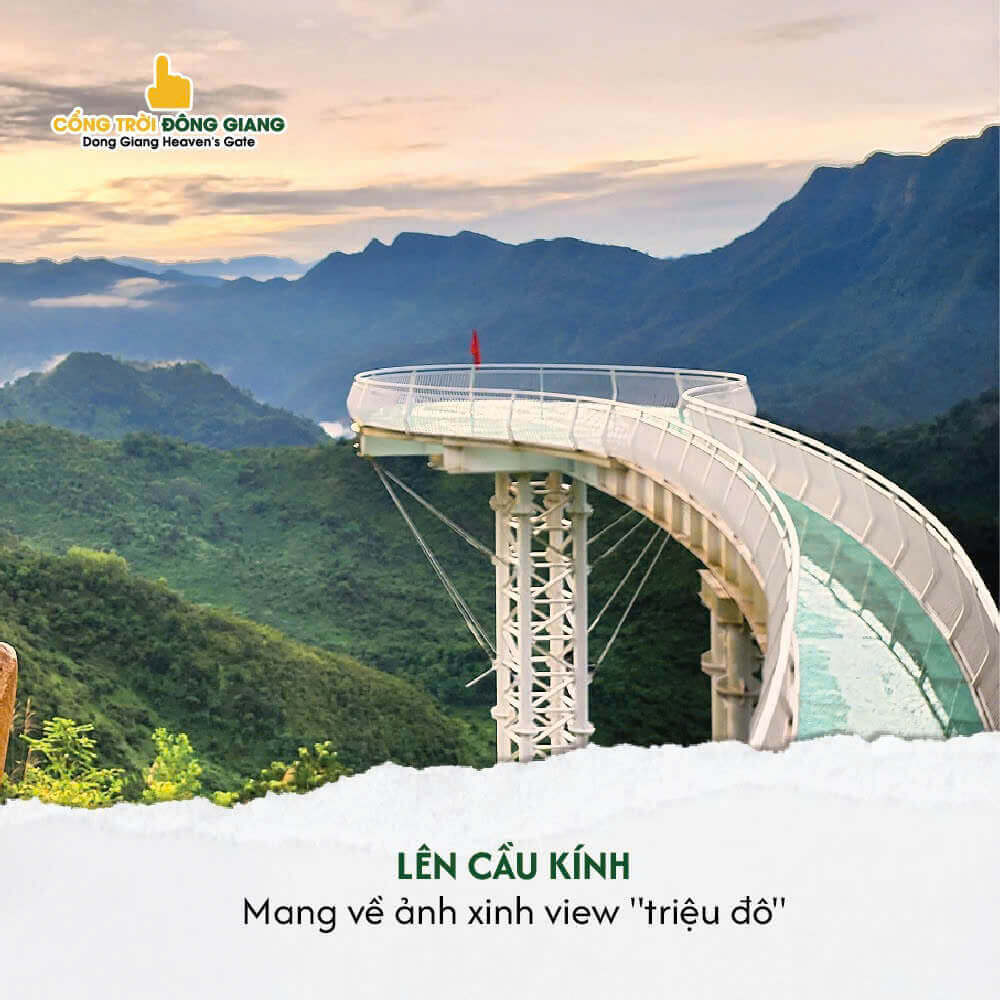
- The Jade Dragon Glass Bridge offers a thrilling sensation as you walk high above the ground, suspended in midair.
-
Jade Emperor Cave and Fairy Palace Cave impress visitors with their sparkling, mystical stalactite formations.
-
Fairy Waterfall and Dragon Egg Waterfall are ideal spots for cooling off, enjoying free SUP or kayaking, and immersing yourself in fresh, natural surroundings.
-
Visitors can also experience trekking, picnicking, and camping amid pristine, majestic mountain forests.
-
The Co Tu cultural village offers engaging activities such as gong performances, brocade weaving, and trying on traditional costumes.

- Visiting the Ba Lam Cung Thanh Mau Temple and Thien Mon Bao An Pagoda, the sacred space brings a feeling of peace and tranquility.
Hai Van Pass Gate in Da Nang is a historical tourist destination that visitors should not miss when exploring Hue and Da Nang. Not only does it boast majestic mountain pass scenery, but it also stands as a vivid historical testament to the nation’s long journey of building and defending the country over many centuries, especially during the wars against French and American forces. Hopefully, the information above will provide you with useful insights and experience, making your journey to discover the Hai Van Pass Gate more complete, safe, and memorable.





 Loading ...